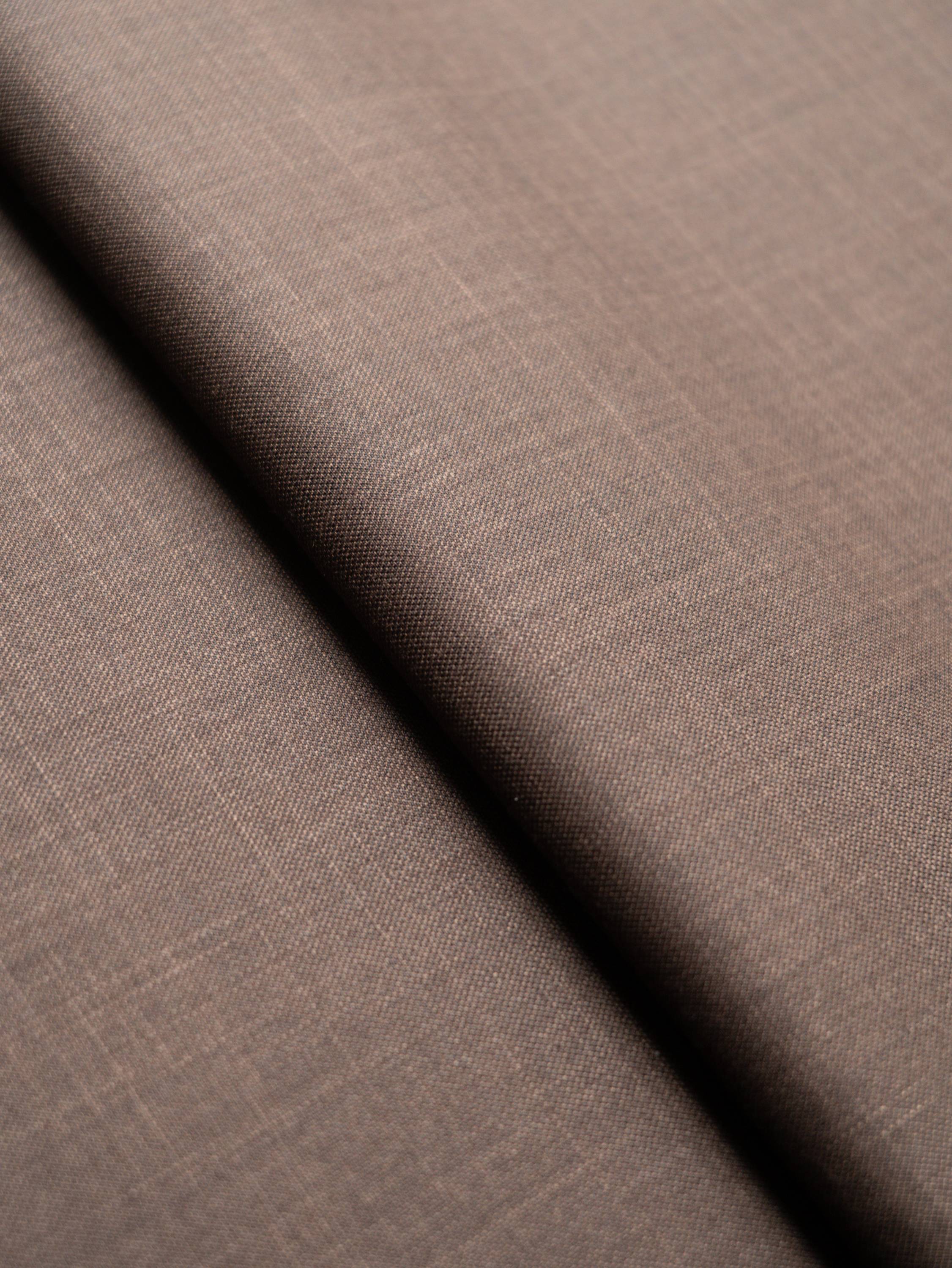
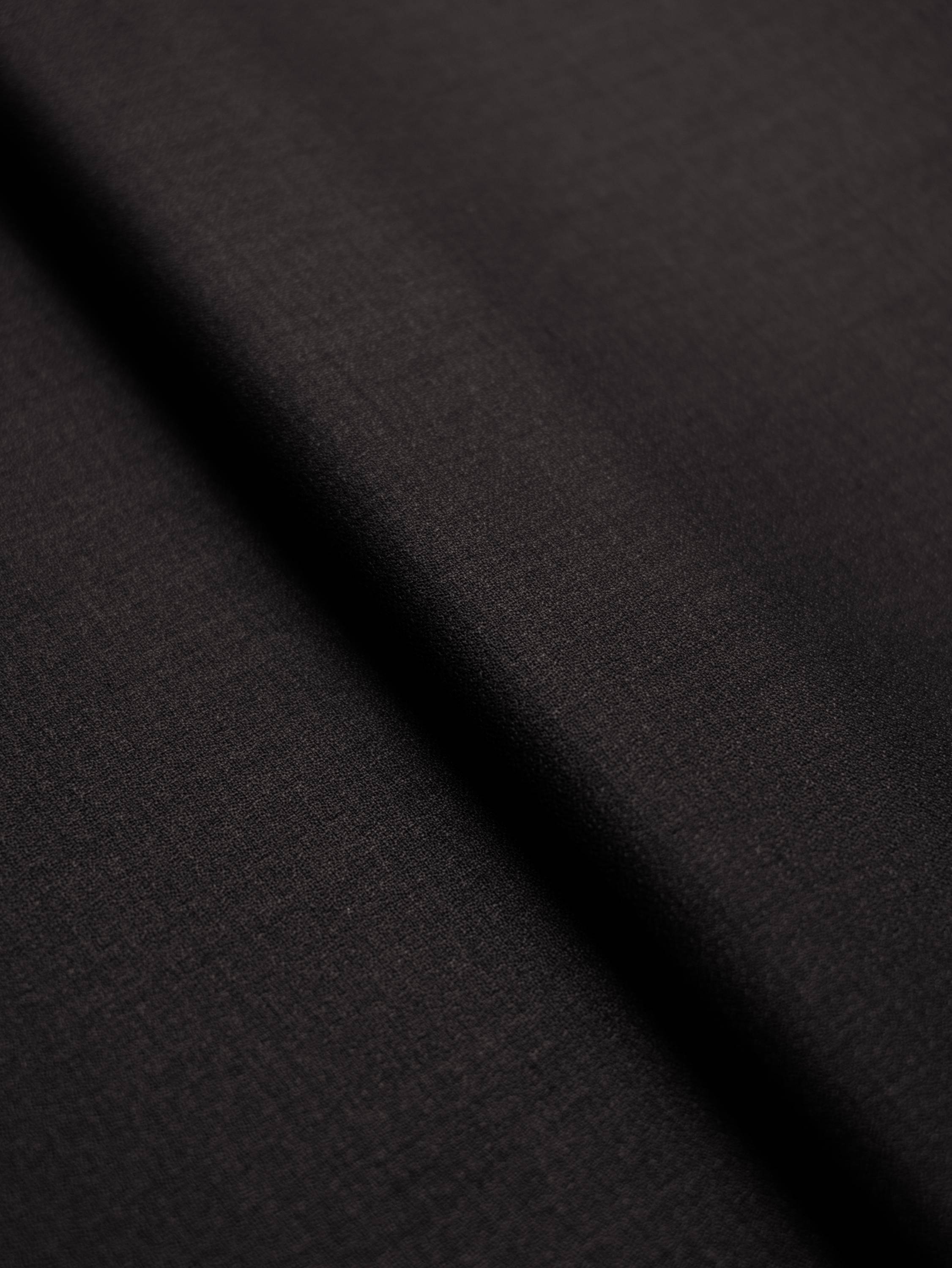
About This Category
What is a Blended Fabric?
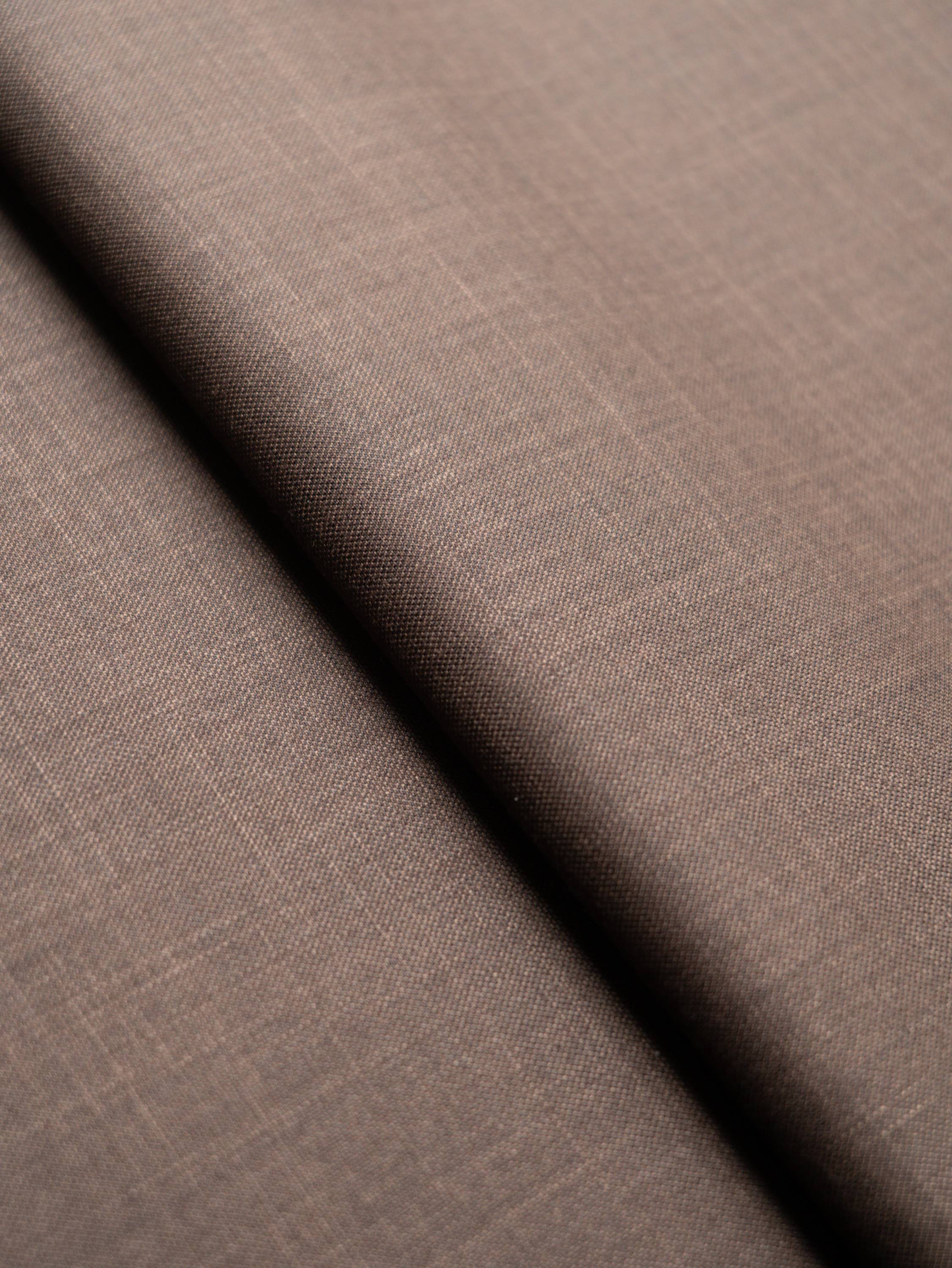
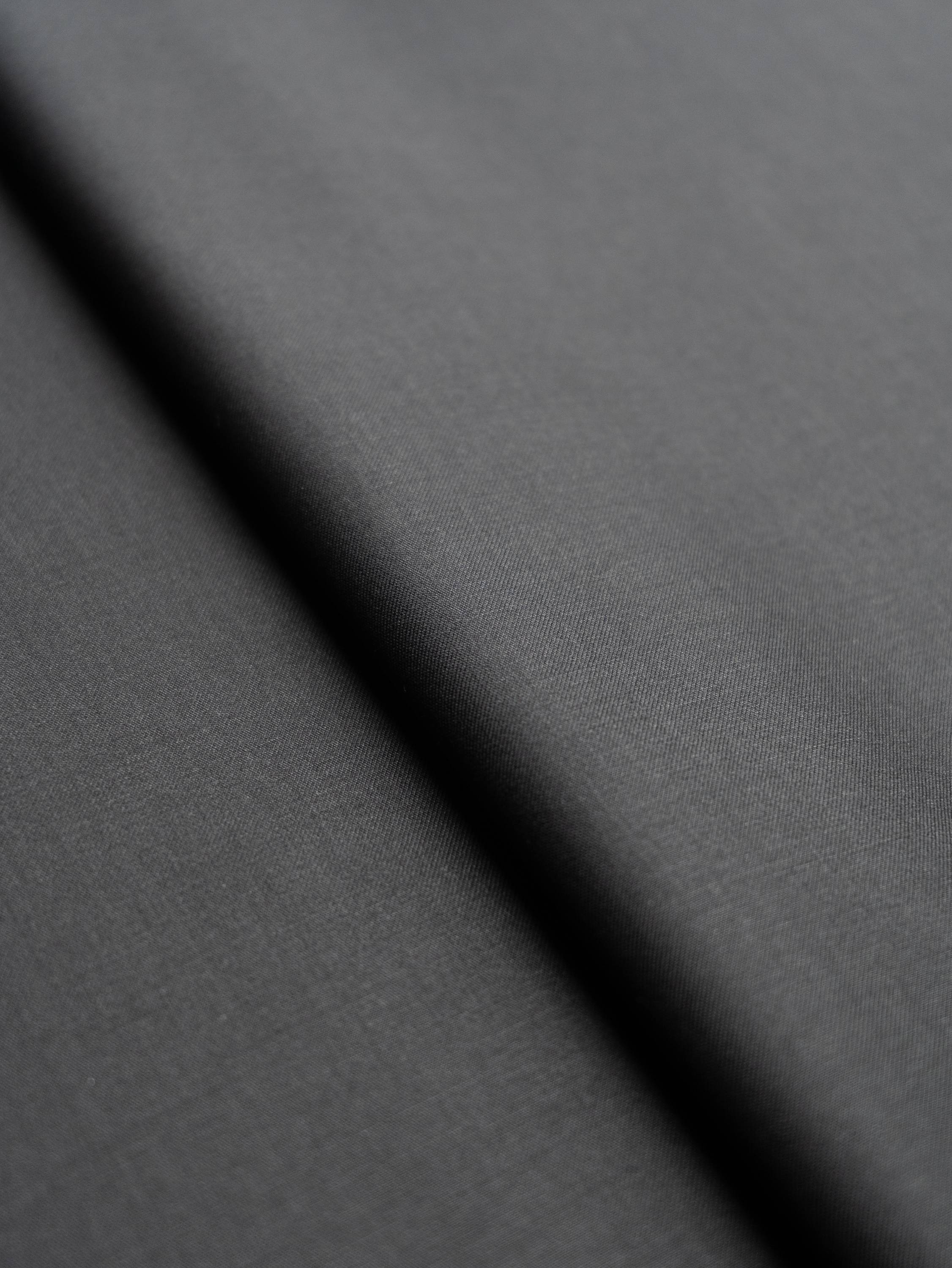
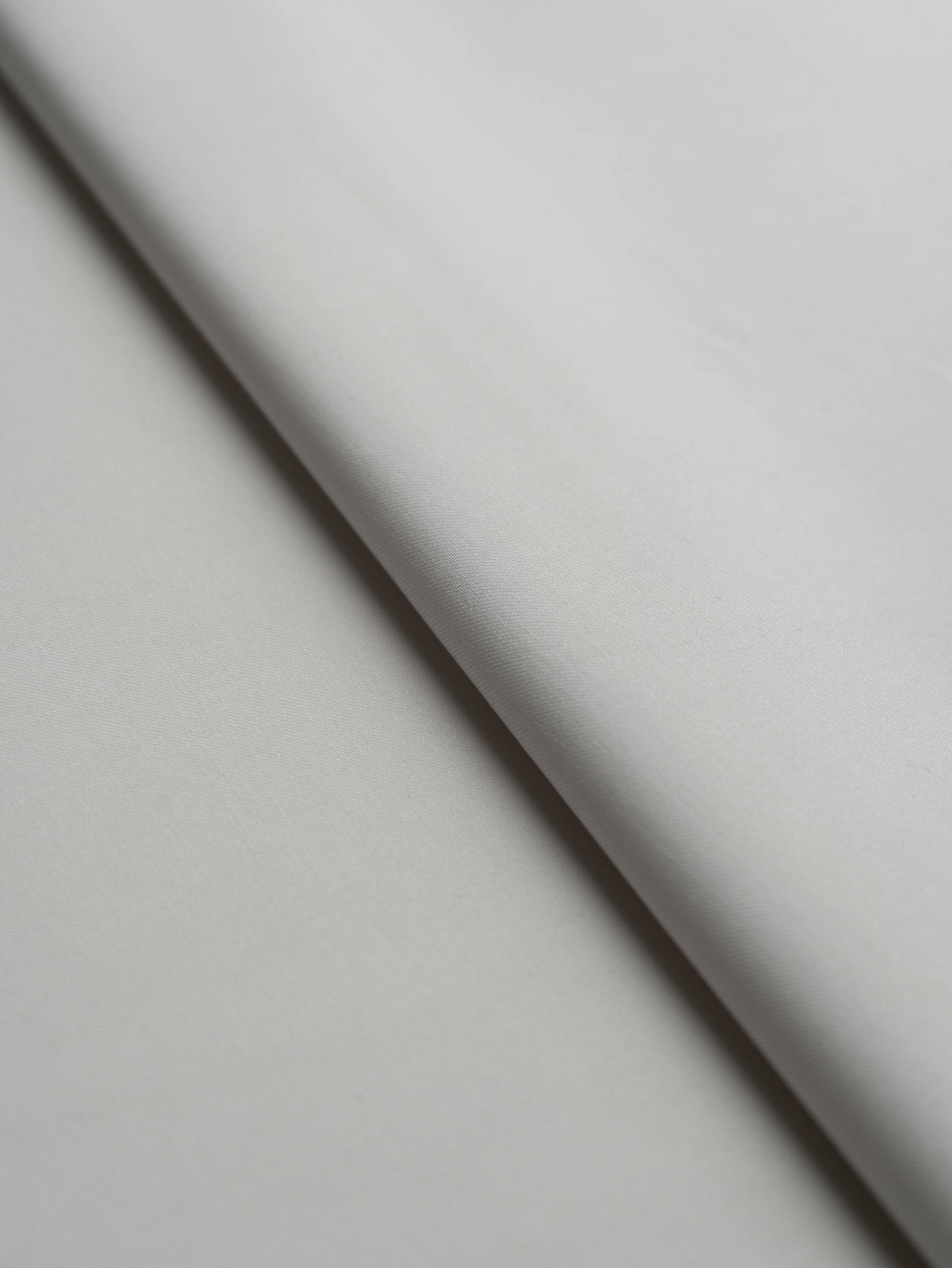
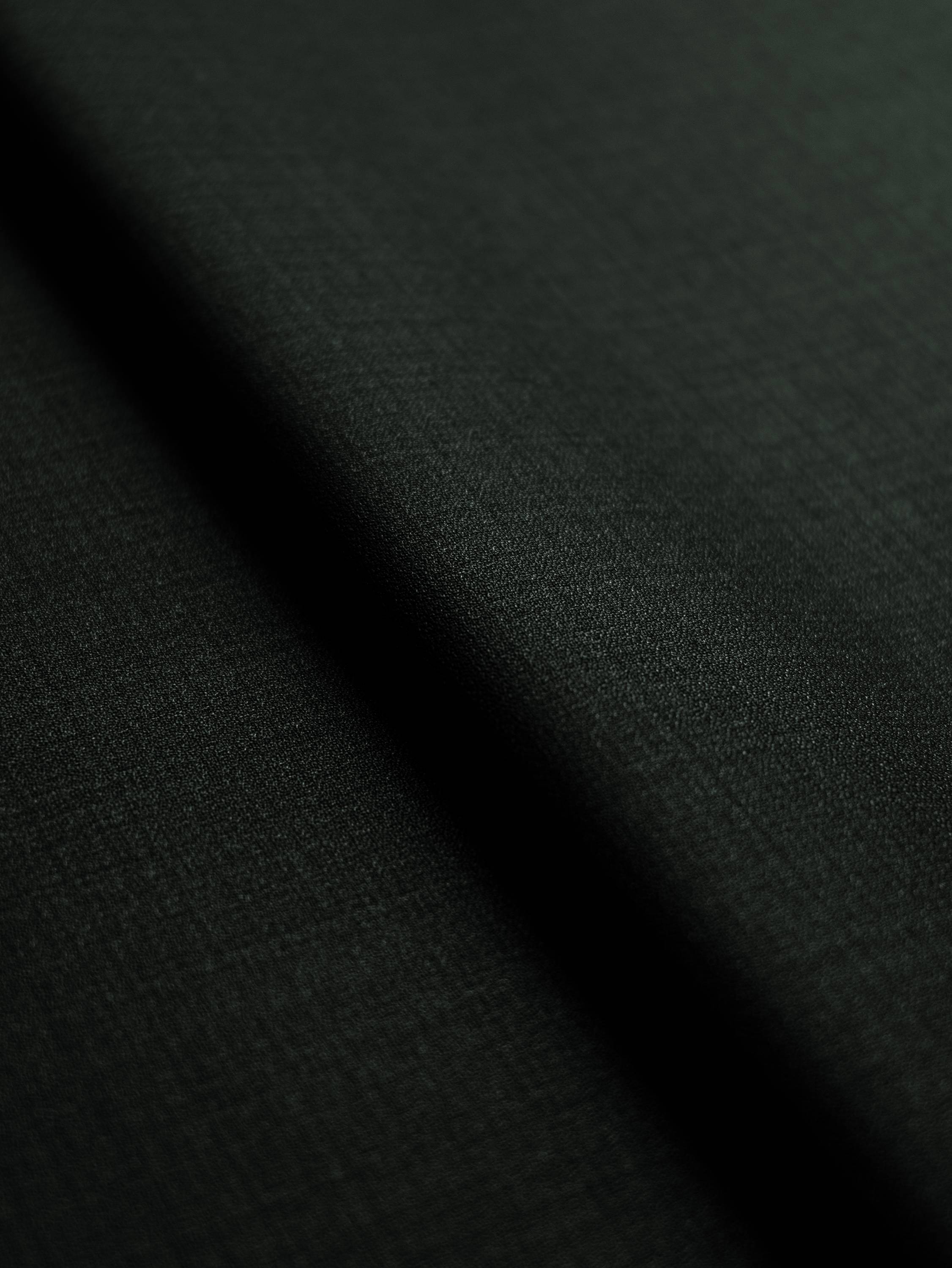
A blend combines two or more fibers — most commonly cotton with polyester, or linen with cotton — spun together into a single yarn to capture the strengths of each while offsetting their individual weaknesses. A well-designed blend is a deliberate engineering choice, not a compromise.
The exact ratio determines the character of the cloth: a cotton-dominant blend leans toward natural breathability with added durability, while a polyester-dominant blend leans toward wrinkle resistance and shape retention with some natural softness folded in.
Blends are also where tailoring innovation often happens fastest — new fiber ratios and weave techniques regularly aim to close the gap between a blend and its pure-fiber inspiration, giving customers more genuine choice between performance and traditional character than either fiber offers alone. Local Tailor's blend fabrics are chosen specifically for that balance, not simply as a lower-cost substitute for a single-fiber cloth.
Why Blends are Ideal for Balanced, Practical Tailoring
Blends exist specifically to solve the trade-offs each pure fiber carries on its own: cotton's tendency to wrinkle, linen's fragility under frequent washing, polyester's lack of breathability. A cotton-poly blend, for example, keeps much of cotton's comfort while wrinkling noticeably less and lasting longer under regular wear.
That balance makes blends a practical default for customers who want a fabric that performs well across a range of occasions and climates rather than excelling narrowly at one — a genuine advantage for anyone ordering a single thobe meant to cover more than one kind of day.
A blend also tends to be more forgiving of imperfect care than either of its parent fibers alone — a cotton-poly cloth tolerates a slightly hotter wash or a missed ironing session better than pure cotton or pure linen would, without losing its finished appearance.
Best Blended Fabrics for Versatile, Year-Round Wear
A cotton-poly blend in a smooth or crisp finish suits customers who want one reliable, easy-care fabric for regular rotation — business wear, daily thobe, and most occasions in between.
A linen-cotton blend is the better choice for warmer climates specifically, trading a little of linen's pure breathability for meaningfully less wrinkling and a cloth that holds its press for longer.
Because a blend's exact character depends on its fiber ratio, it's worth checking a specific blend's composition and texture against the occasion in mind — a cotton-heavy blend for comfort-first daily wear, a wool-blend for a more formal, structured result, or a linen-heavy blend when breathability matters most.